Gram-negative bacteria are able to send out proteins through their outer membranes via a large molecular machine known as the type II secretion system (T2SS). This pump is composed of approximately 15 protein components that work together like a syringe, allowing bacteria to send out effector proteins into their surroundings.
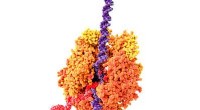
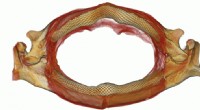
"Using cryo-electron microscopy, we were able to image this multi-protein assembly, called the secretin, at the molecular level. The secretin forms the channel that the effector proteins are ejected through," explained Dr. Daniel Depo, first author on the paper and a postdoctoral scholar at OIST.
One of the challenges of imaging biological structures is keeping them as close as possible to their native state. This is especially important for protein complexes like the secretin, which are dynamic structures constantly undergoing conformational changes.
"What makes our study different from previous ones is that we imaged the secretin as it functions, in a process called cryo-trapping," said Dr. Depo. "This approach allows us to capture a series of snapshots throughout the different steps of the secretion cycle."
The scientists used a combination of imaging techniques, including single-particle cryo-EM and high-speed atomic force microscopy to capture the structure and function of the secretin. The results revealed how the secretin forms a gated channel and how it interacts with effector proteins to enable the efficient secretion of proteins out of the cell.
"The mechanism of protein secretion in gram-negative bacteria has been studied for decades," said Professor James Hurley, senior author on the paper and head of OIST's Molecular Cryo-Imaging Facility. "This secretion process plays an important role in the way that bacteria interact with their surroundings, such as causing disease in plants or animals. By understanding the mechanisms at the molecular level, we hope to gain insight into new strategies for developing drugs to inhibit these processes."
This research, published in Nature Communications, opens up new avenues for understanding the structure and function of the T2SS and will aid in the ongoing development of novel therapeutic strategies targeting the secretion pathway.