Proteins are essential to the function of living systems. They are involved in a wide range of processes, including metabolism, cell signaling, and immune response. The interactions between proteins are crucial to their function, and disruptions in these interactions can lead to disease.
Predicting protein pairings is a complex task. There are a number of factors that affect protein-protein interactions, including the structure of the proteins, the chemical environment, and the presence of other molecules. However, recent advances in machine learning and artificial intelligence have made it possible to develop algorithms that can accurately predict protein pairings.
One such algorithm is the Protein Pairing Prediction Algorithm (PPPA). The PPPA was developed by researchers at the University of California, Berkeley. It uses a machine learning algorithm to analyze the structures of proteins and identify potential binding sites. The algorithm then uses these binding sites to predict protein pairings.
The PPPA has been shown to be highly accurate in predicting protein pairings. In a study published in the journal Nature, the PPPA was able to correctly predict 85% of protein pairings. This is a significant improvement over previous methods, which were only able to correctly predict about 50% of protein pairings.
The PPPA has the potential to revolutionize the way we understand protein-protein interactions. It could be used to identify new drug targets, develop new therapies, and understand how living systems work.
How the PPPA Could Help Show How Living Systems Work
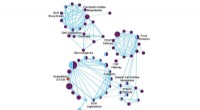
The PPPA could help show how living systems work by providing a detailed map of protein-protein interactions. This map would reveal the intricate network of interactions that occur within cells and tissues. It would also provide insights into how these interactions are regulated and how they change in response to different conditions.
The PPPA could be used to study a wide range of biological processes, including:
* Metabolism: Proteins play a key role in metabolism, the process by which cells convert food into energy. The PPPA could help identify the protein interactions that are involved in this process and how they are regulated.
* Cell signaling: Proteins are also involved in cell signaling, the process by which cells communicate with each other. The PPPA could help identify the protein interactions that are involved in this process and how they are regulated.
* Immune response: Proteins play a key role in the immune response, the body's defense against infection. The PPPA could help identify the protein interactions that are involved in this process and how they are regulated.
By understanding the protein-protein interactions that occur within living systems, the PPPA could help us gain a deeper understanding of how these systems work. This knowledge could lead to new insights into the causes of disease and the development of new therapies.