Bioluminescence: Bioluminescence is the production and emission of light by living organisms as a result of chemical reactions. Although commonly observed in marine animals like deep-sea fish, some insects and terrestrial animals also have this ability. If an animal with bioluminescent characteristics had a nose or nasal structure capable of emitting light, it could appear as if the nose is glowing.
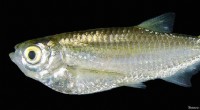
Reflectance: The reflection of light off of a shiny or reflective surface can create an illusion of glowing or shining. Some animals have skin or tissue structures on their noses or facial regions that have a high degree of reflectivity. This means they can reflect light from their surroundings and appear to be illuminated, even in low-light conditions.
Heat Generation: While not emitting visible light, heat can be perceived as a faint glow or radiation in certain situations. Some animals, including reindeer, have efficient respiratory and circulatory systems that help them generate heat for survival in cold environments. They can regulate blood flow and vasodilation in their nasal tissues, which can result in a warm, flushed appearance of the nose, especially in cold weather.
These explanations, while intriguing, are speculative and not directly linked to the fictitious Rudolph's nose. It is important to remember that the character and story of Rudolph are part of a traditional Christmas tale and should be enjoyed as a creative work rather than a reflection of real-world science.