Introduction:
Bacteriophages, naturally occurring viruses that infect and kill bacteria, have emerged as promising alternatives to conventional antibiotics in the fight against bacterial infections. However, the efficacy of phage therapy can be hampered by various challenges, including phage resistance and limited host range. A recent study has shed light on how to overcome these limitations and build more effective bacteriophage therapies.
Key Findings:
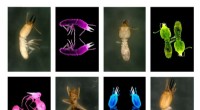
1. Phage Biodiversity: The study highlights the importance of utilizing diverse phage populations to improve the chances of successfully targeting a wide range of bacterial strains. By harnessing the vast genetic diversity of phages, researchers can identify phages with broader host ranges and enhanced infectivity.
2. Phage Cocktails: Combining multiple phages in a "phage cocktail" approach was found to be more effective than using single phages. This strategy reduces the risk of resistance development and improves the overall antibacterial activity by targeting different receptors or exploiting synergistic interactions between phages.
3. Evolutionary Adaptation: The study emphasizes the potential of phage adaptation and evolution within the host environment. By allowing phages to replicate and undergo genetic changes, they can acquire advantageous traits, such as increased infectivity, broader host range, and enhanced resistance to host defense mechanisms.
4. Precision Engineering: Advancements in genetic engineering techniques enable the precise manipulation of phage genomes. Researchers can modify phages to enhance their therapeutic properties, such as improving binding affinity, expanding host range, or conferring additional functionalities like delivering antimicrobial peptides.
5. Pharmacodynamic Considerations: The study highlights the importance of understanding phage pharmacodynamics, including phage replication kinetics, persistence, and interactions with the host immune system. Optimizing phage dosage, timing, and delivery methods based on these factors can enhance therapeutic outcomes.
6. Host-Phage Coevolution: The study emphasizes the dynamic nature of host-phage interactions and the potential for coevolution. By considering the evolutionary interplay between phages and bacteria, researchers can develop strategies to mitigate phage resistance and ensure long-term therapeutic efficacy.
Significance:
This study provides valuable insights into the development of more effective bacteriophage therapies. By harnessing phage biodiversity, utilizing phage cocktails, promoting phage adaptation, employing precision engineering, optimizing pharmacodynamics, and considering host-phage coevolution, researchers can overcome challenges and enhance the potential of phage therapy in combating bacterial infections. These findings hold promise for the advancement of phage-based treatments, offering a much-needed alternative to traditional antibiotics and contributing to the fight against antimicrobial resistance.