Protein-based life: Some scientists propose that proteins, consisting of amino acids, could have been the initial replicating molecules. Proteins can fold into specific structures, exhibit enzymatic activities, and possess some limited self-replication capabilities.
Replicating polymers: Other ideas suggest that simpler replicating polymers, such as peptide nucleic acids (PNAs) or threose nucleic acids (TNAs), could have preceded RNA. These alternative genetic polymers might have offered advantages in stability and replication under prebiotic conditions.
Clay minerals: Clay minerals, abundant on the early Earth, have been proposed as templates or catalysts for the formation and replication of organic molecules, potentially contributing to the emergence of prebiotic replicating systems.
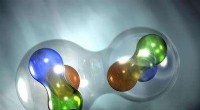
Lipid-based structures: Lipid membranes and vesicles could have played a role in compartmentalizing prebiotic molecules, creating protocell-like structures, and facilitating the emergence of more complex self-replicating systems.
It's important to note that the origins of life and the identity of the first replicating molecule are still subjects of intense research and debate. The consensus is that the transition from prebiotic chemistry to self-sustaining replication likely involved a gradual process of chemical evolution, with multiple components and interactions contributing to the development of life as we know it.