A new DNA test can rapidly identify the species of rhino horns, pangolin scales, and ivory from poached animals. This can aid law enforcement in catching poachers and illegal traders, and help prevent the extinction of these endangered species.
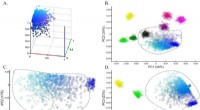
The test developed by the University of California, Los Angeles (UCLA) and the University of Illinois, Urbana-Champaign (UIUC) is based on sequencing a short fragment of DNA from the animal. The team used high-throughput DNA sequencing to analyze samples from 293 animals, representing 14 species of rhinos, pangolins, and elephants, as well as 10 species of closely related animals. They were able to accurately identify the species of each sample in less than 24 hours.
In contrast, current methods for identifying animal products often involve visual inspection, which can be subjective and difficult to do accurately, especially when the products are processed or damaged. Other techniques, such as microscopy or chemical analysis, can be expensive, time-consuming, and require specialized expertise.
The DNA test developed by the UCLA and UIUC team is rapid, accurate, and can be performed on small samples, making it a valuable tool for law enforcement officials and conservationists. The test could also potentially be used to identify animal products in traditional medicine, food, and other consumer goods.
With increasing poaching and illegal wildlife trade, it is crucial to have efficient and accurate methods to identify animal products in order to combat these activities and protect endangered species. The new DNA test represents a significant advancement in this field and contributes to the conservation efforts aimed at preserving the world's biodiversity.