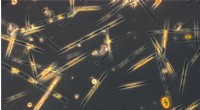
Bacteria are prokaryotic organisms that lack a nucleus and other membrane-bound organelles. Despite their simple cellular structure, bacteria are able to sense and respond to their environment in a variety of ways. One of the most important ways that bacteria sense their environment is through their sense of smell.
The sense of smell in bacteria is mediated by a variety of proteins located in the cell membrane. These proteins bind to specific odor molecules and trigger a signal transduction pathway that leads to a change in gene expression or behavior.
The sense of smell is essential for bacteria to survive in their environment. It allows them to find food, avoid predators, and communicate with each other.
Research
Scientists are currently investigating how the sense of smell works in bacteria. They are using a variety of techniques, including genetic engineering, biochemistry, and electrophysiology, to identify and characterize the proteins involved in the sense of smell.
This research is important because it will help us to understand how bacteria interact with their environment. It may also lead to the development of new antibiotics and other drugs that target the sense of smell in bacteria.
Applications
The research on the sense of smell in bacteria has a number of potential applications. These include:
* Developing new antibiotics and other drugs. By understanding how bacteria sense their environment, we may be able to develop new drugs that target the sense of smell and disrupt the bacteria's ability to survive.
* Improving food safety. The sense of smell is essential for bacteria to find food. By understanding how bacteria sense food, we may be able to develop new ways to prevent bacteria from contaminating food.
* Developing new biofuels. Bacteria can produce biofuels, but they need to be able to sense their environment in order to do so. By understanding how bacteria sense their environment, we may be able to develop new ways to optimize the production of biofuels.
The research on the sense of smell in bacteria is a promising area of research with a number of potential applications. This research is helping us to understand how bacteria interact with their environment and may lead to the development of new drugs, improved food safety, and new biofuels.