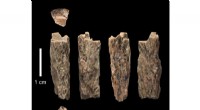
Identification: Bone proteomics can assist in the identification of individuals by analyzing specific protein markers, such as collagen sequences or DNA fragments. This can be particularly useful in cases where traditional identification methods, such as dental records or fingerprints, are not available or inconclusive.
Age Estimation: Proteomic analysis of bone tissue can provide information about an individual's age at the time of death. Specific proteins undergo changes over time, and by examining these changes, researchers can estimate the age of the deceased with a certain degree of accuracy.
Sex Determination: Bone proteomics can also aid in determining the sex of an individual. Certain proteins are expressed differently in males and females, allowing researchers to identify the gender of the deceased based on the protein profile.
Paleopathology: Proteomic analysis of bones can reveal evidence of past diseases or injuries that the individual may have suffered during their lifetime. By identifying disease-specific protein markers or alterations in protein expression, researchers can gain insights into the health status and medical conditions of the deceased.
Diet and Lifestyle: Bone proteomics can provide information about an individual's diet and lifestyle. Analysis of stable isotopes in bone collagen, for example, can reveal dietary patterns, such as the consumption of plants or animals, as well as the geographic origin of the food sources. Additionally, the presence or absence of specific proteins can indicate certain lifestyle factors, such as physical activity or smoking habits.
Trauma and Injuries: Bone proteomics can detect evidence of trauma or injuries that may have occurred before or at the time of death. The analysis of specific protein markers associated with bone remodeling and repair can provide insights into the nature and severity of injuries sustained by the individual.
Migration Patterns: By examining the protein profiles of bones, researchers can gain insights into the migration patterns of ancient populations. By comparing protein sequences or isotopic compositions between individuals from different geographic regions, scientists can trace the movement of human groups and identify potential migration routes.
Forensic Investigations: Bone proteomics plays a crucial role in forensic investigations by providing valuable information that aids in criminal cases. Protein analysis can help establish the identity of victims, determine the cause and manner of death, and identify postmortem changes that may have occurred.
Overall, bone proteomics offers a powerful tool for studying the remains of the dead and extracting important information that contributes to our understanding of past human populations, their lifestyles, health, and circumstances surrounding their deaths.