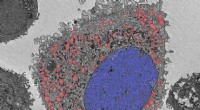
The marvel microbes, discovered in extreme environments such as deep-sea hydrothermal vents, offer a glimpse into the evolutionary history of cells. Their unique cellular features shed light on the mechanisms by which cells acquired various organelles, such as mitochondria, chloroplasts, and the nucleus. These organelles are essential for energy production, photosynthesis, and genetic regulation, respectively, in modern eukaryotic cells.
Through genetic analysis and advanced imaging techniques, the research team unravelled the marvel microbes' exceptional properties. They identified intricate membrane structures, analogous to the endoplasmic reticulum and Golgi apparatus found in eukaryotic cells. These membrane systems play a crucial role in protein synthesis, modification, and transportation, highlighting their significance in cellular development.
Furthermore, the researchers observed the presence of primitive mitochondria and chloroplast-like structures within the marvel microbes. These rudimentary organelles provide clues about the endosymbiotic events that likely led to the incorporation of these organelles into the ancestral eukaryotic cells. Endosymbiosis refers to the symbiotic relationship formed when one cell engulfs another, resulting in a mutually beneficial partnership.
The marvel microbes represent an evolutionary bridge between prokaryotic cells, characterized by their relatively simpler cellular organization, and eukaryotic cells, which exhibit a higher level of complexity. Their existence suggests a gradual evolutionary process through which cells acquired specialized organelles and diversified into the multitude of forms observed today.
This groundbreaking discovery has significant implications for our understanding of the origins of life and the diversification of cellular structures. The marvel microbes open new avenues for research into the evolutionary mechanisms underlying the emergence of complex cellular systems. The study also holds promise for unraveling the mysteries surrounding the origins of eukaryotic cells and the development of complex organisms.
The findings published in a renowned scientific journal highlight the dedication and collaboration of the research team. They provide a deeper understanding of the microbial world's diversity, the intricate beauty of cellular evolution, and the interconnectedness of life on Earth.