1. Proteasomal Degradation:
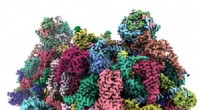
The proteasome is a large protein complex found in all eukaryotic cells that functions as a cellular "shredder" for damaged or misfolded proteins. The process of proteasomal degradation involves the following steps:
- Ubiquitination: Damaged proteins are tagged with small protein molecules called ubiquitin. This tagging process is carried out by enzymes known as ubiquitin ligases. Multiple ubiquitin molecules are attached to the damaged protein, forming a polyubiquitin chain.
- Proteasome Recognition: The polyubiquitinated proteins are then recognized and bound by the proteasome.
- Deubiquitination: Before the damaged protein can be degraded, the ubiquitin tags are removed by deubiquitinating enzymes.
- Proteolysis: Inside the proteasome, the damaged protein is unfolded and broken down into small peptide fragments. These peptides are then recycled by the cell or further degraded by other proteases.
2. Autophagy:
Autophagy is a cellular process responsible for the degradation and recycling of various cellular components, including damaged proteins and organelles. There are different types of autophagy, but the most common one involved in the removal of damaged proteins is called macroautophagy. The steps of macroautophagy include:
- Formation of Autophagosomes: A double-membrane structure called an autophagosome is formed around the damaged proteins and other cytoplasmic components.
- Fusion with Lysosomes: The autophagosome then fuses with a lysosome, an acidic organelle containing hydrolytic enzymes.
- Degradation: Inside the lysosome, the damaged proteins are exposed to the lysosomal enzymes and broken down into their basic building blocks (amino acids). These building blocks are then recycled by the cell.
In summary, proteasomal degradation and autophagy are two essential processes that cells use to round up and dispose of damaged proteins. By removing damaged proteins and protein aggregates, cells can maintain their proper function and protect themselves from the harmful effects of protein misfolding and aggregation.