Cells are the basic unit of life, and they have a remarkable ability to sense and respond to their environment. One of the most important things that cells need to be able to do is count. They need to be able to count the number of cells in their environment, the number of nutrients that are available, and the number of times they have divided.
Cells use a variety of mechanisms to count. Some cells use simple chemical reactions, while others use more complex molecular machinery. In this blog post, we will explore some of the different ways that cells learn to count.
Chemical reactions
One of the simplest ways that cells count is by using chemical reactions. For example, some cells use a molecule called quorum sensing to determine the number of cells in their environment. Quorum sensing molecules are produced by cells, and they accumulate in the environment. When the concentration of quorum sensing molecules reaches a certain threshold, it triggers a change in gene expression in the cells. This change in gene expression can cause the cells to produce different proteins, which can lead to changes in the cell's behavior.
Molecular machinery
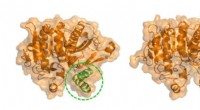
Some cells use more complex molecular machinery to count. For example, some cells use a protein called MinD to determine the number of times they have divided. MinD protein forms a complex with another protein called MinE, and this complex oscillates from one end of the cell to the other. The frequency of these oscillations is determined by the number of times the cell has divided.
Learning to count
Cells do not come pre-programmed with the ability to count. They learn to count by interacting with their environment. For example, cells that use quorum sensing to count the number of cells in their environment will only learn to count if they are exposed to quorum sensing molecules.
The ability to count is essential for cells. It allows cells to coordinate their behavior with other cells, to respond to changes in their environment, and to make decisions about their own fate.
Conclusion
Cells are amazing little machines that have a remarkable ability to sense and respond to their environment. One of the most important things that cells need to be able to do is count. Cells use a variety of mechanisms to count, from simple chemical reactions to complex molecular machinery. They learn to count by interacting with their environment, and this ability is essential for their survival.