1. Ancient Diversification:
- Over millions of years, Europe's freshwater fish species have diversified from common ancestors. Major groups like Salmonids (salmon, trout), Cyprinids (carps, barbels), and Percidae (perches) evolved and adapted to different habitats.
2. Post-Glacial Colonization:
- During the last glacial period, many northern freshwater fish species survived in refuge areas. As the glaciers retreated, these species recolonized formerly glaciated regions and expanded their ranges.
3. Species Introductions:
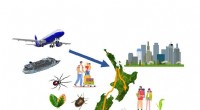
- Humans have intentionally or unintentionally introduced non-native fish species into European waters for various reasons, such as sport fishing, aquaculture, and biological control. Some introduced species became invasive, competing with and impacting native species.
4. Overfishing and Habitat Loss:
- Overfishing, pollution, habitat destruction, and river modifications have contributed to the decline of many native fish species. Certain migratory species, like sturgeon and salmon, are particularly vulnerable to these threats.
5. Conservation Efforts:
- In recent decades, conservation efforts have been implemented to protect endangered fish species and improve their habitats. These efforts include fisheries regulations, habitat restoration projects, and captive breeding programs.
As a result of these changes, some European freshwater fish species have expanded their ranges, while others have declined or even become extinct. Human activities such as habitat modification, pollution, and introductions of non-native species have played a major role in shaping the current composition of European freshwater fish communities.