DNA is constantly damaged by a variety of factors, including ultraviolet radiation from the sun, free radicals produced by metabolism, and errors during DNA replication. To protect themselves from these threats, cells have a number of DNA repair mechanisms.
One of the most important DNA repair mechanisms is called nucleotide excision repair (NER). NER is responsible for repairing damage to single-stranded DNA. The process begins when a protein called XPA recognizes the damaged DNA. XPA then recruits a number of other proteins to the site of damage, including the NER endonuclease, which cuts the damaged DNA strand. The gap is then filled in by a DNA polymerase, and the DNA is sealed by a DNA ligase.
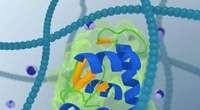
The new study by researchers at UC Berkeley identified the structure of the NER endonuclease. The researchers found that the NER endonuclease is a dimer, meaning that it consists of two identical subunits. The two subunits come together to form a pocket that binds to the damaged DNA. The researchers also found that the NER endonuclease has a number of other features that allow it to efficiently repair damaged DNA.
The new research provides new insights into how cells protect themselves from the harmful effects of DNA damage. The findings could lead to the development of new drugs that target DNA repair mechanisms. These drugs could be used to treat a variety of diseases, including cancer and neurodegenerative disorders.
In addition to NER, there are a number of other DNA repair mechanisms. These mechanisms include:
* Base excision repair (BER): BER repairs damage to individual bases in DNA.
* Mismatch repair (MMR): MMR repairs errors that occur during DNA replication.
* Recombinational repair: Recombinational repair uses homologous chromosomes to repair damaged DNA.
* Non-homologous end joining (NHEJ): NHEJ is a type of DNA repair that occurs in the absence of a homologous chromosome.
These DNA repair mechanisms work together to protect the integrity of the genome. By preventing DNA damage from accumulating, these mechanisms help to ensure that cells function properly and that the organism remains healthy.