Introduction:
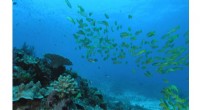
Coral reefs are dynamic ecosystems that are essential to maintaining the health of our oceans, supporting a vast array of marine life. Symbiotic relationships between corals and microscopic algae have attracted considerable scientific attention due to their role in nutrient exchange and reef-building processes. However, the presence and potential impacts of other microorganisms residing within corals remain relatively unexplored. These so-called "coral-associated microbes" can profoundly influence coral health and resilience. This article delves into the exciting research efforts aimed at unraveling the intricate relationships between corals and these hidden microbial communities.
Friend or Foe: Deciphering Microbial Roles
The investigation of coral-associated microbes has revealed a diverse array of bacteria, archaea, viruses, and microeukaryotes, each with its own unique role within the coral's ecosystem. While some of these microorganisms provide essential services, others may pose a potential threat to coral health.
1. Beneficial Microbes:
Mutualistic Microalgae (Symbiodiniaceae): These photosynthetic microalgae provide corals with essential nutrients and energy through a symbiotic partnership known as phototrophy.
Nitrogen-fixing Bacteria: These bacteria convert atmospheric nitrogen into a form that corals can use, supporting growth and survival in nitrogen-poor environments.
Disease-resistant Microbes: Certain microbial species may produce compounds that help corals resist bacterial and fungal infections.
2. Opportunistic Microbes:
Under favorable conditions, some coral-associated microbes can thrive and even become pathogenic, causing coral bleaching and diseases such as white plague and black band disease.
Vibrio spp.: These pathogenic bacteria are often associated with elevated seawater temperatures, leading to coral stress and expulsion of the symbiotic algae.
3. Viral Infections:
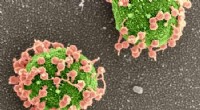
Coral-infecting viruses can cause rapid and extensive damage to coral colonies. The emergence of new viral strains poses a significant threat to coral reefs, with the potential for mass mortality events.
Exploring Microbial Diversity:
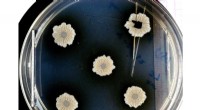
High-throughput sequencing technologies have revolutionized the study of microbial diversity within corals, allowing researchers to identify and characterize the vast array of species present. Targeted metagenomic analyses of coral mucus, tissues, and skeletons provide valuable insights into microbial composition, functions, and interactions.
Geographic Variations and Environmental Impacts:
The composition of coral-associated microbial communities varies across different geographic regions, depths, and environmental conditions. Factors such as nutrient availability, ocean currents, and human activities can shape the delicate balance between beneficial and harmful microbial species, impacting coral health and resilience to environmental stressors.
Conservation Implications:
Understanding the critical roles played by coral-associated microbes is essential for developing effective strategies to conserve and manage these vulnerable ecosystems. This knowledge guides restoration efforts and informs decision-making processes aimed at protecting coral reefs from the adverse impacts of climate change, pollution, and other anthropogenic stressors.
Conclusion:
The study of microbes living within corals unveils the hidden complexities of coral reef ecosystems. By deciphering the roles of these diverse microbial communities, researchers gain invaluable knowledge about the health and resilience of coral reefs. As we delve deeper into the intricacies of these symbiotic relationships, we move closer to safeguarding these invaluable marine ecosystems for generations to come.