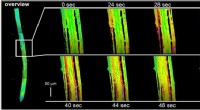
Scientists are still learning about how microbiota thrive in their human hosts, but some important factors include:
* The environment. Microbiota live in a variety of different environments on the human body, including the skin, mouth, nose, throat, lungs, gut, and vagina. Each of these environments has its own unique set of conditions, such as temperature, pH, and nutrient availability, which select for different types of microbiota.
* The host's immune system. The host's immune system plays a key role in regulating the composition of microbiota. The immune system can recognize and attack harmful bacteria and viruses, but it also tolerates beneficial microbiota. This delicate balance is essential for maintaining a healthy microbiome.
* Diet. The foods we eat can have a significant impact on the composition of our microbiota. Diets high in fiber and other prebiotics, which are indigestible carbohydrates that feed beneficial bacteria, can promote a healthy microbiome. Conversely, diets high in processed foods, sugar, and saturated fat can disrupt the microbiome and lead to health problems.
* Genetics. Our genes also play a role in determining the composition of our microbiota. Some people are more likely to have certain types of bacteria or viruses in their microbiome, regardless of their environment or diet.
By understanding how microbiota thrive in their human hosts, scientists can develop new ways to promote a healthy microbiome and prevent disease.
Here are some tips for promoting a healthy microbiome:
* Eat a healthy diet rich in fiber, fruits, and vegetables.
* Avoid processed foods, sugar, and saturated fat.
* Get regular exercise.
* Get enough sleep.
* Manage stress.
* Take probiotics supplements if you are experiencing digestive problems or other health issues.