The findings in mice, reported in the journal Cell Host & Microbe, suggest that therapies targeting this process could help people with the illness.
Lyme disease is the most common tick-borne illness in the Northern Hemisphere. Early symptoms typically include fever, chills, fatigue and a bull's-eye-shaped rash. Without prompt antibiotic treatment, the bacteria can disseminate to other parts of the body such as joints, the heart and the nervous system.
"How the bacteria that causes Lyme disease spreads beyond the initial site of infection and causes more serious illness has been unclear," said co-senior author Jonathan S. Miner, PhD, a professor of medicine.
"Our experiments show that the bacteria have evolved a clever strategy for evading the body's immune response and hitching a ride inside certain types of immune cells, allowing the infection to spread."
The researchers focused on a protein on the surface of the bacteria called outer surface protein A (OspA). OspA is produced by the bacteria during the early stages of infection when it is actively invading host tissue.
The team conducted a series of lab experiments using cultured mouse immune cells and human blood cells to learn how OspA helps spread Lyme disease. They found that OspA allows the bacteria to invade a specific type of immune cell called a neutrophil.
Neutrophils are the body's first responders to infection and are recruited to inflamed sites in large numbers.
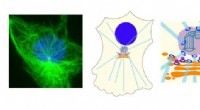
The researchers discovered that OspA enables the bacteria to bind to a protein called GPIbα that is found on the surface of neutrophils. This binding induces the neutrophils to engulf the bacteria, a process known as phagocytosis.
Once inside the neutrophils, the bacteria are able to hide from the immune system. They can then hitch a ride on the neutrophils, which allows them to travel and invade sites distant from the initial bite.
"Our findings suggest that targeting the interaction between OspA and GPIbα could be an effective strategy for preventing the bacteria from spreading throughout the body," said co-senior author Carrie A. Miller, PhD, an assistant professor of molecular biology and pharmacology.
"Future studies will investigate potential therapies that could block the binding between those two proteins."
Miner said the findings also could be relevant to understanding the spread of other bacterial infections.