The study, published in the prestigious journal Nature Structural & Molecular Biology, focuses on three key proteins: myosin, actin, and fascin. Myosin and actin are essential for generating the forces that drive cellular movement, while fascin acts as a regulator, controlling the organization and dynamics of actin filaments.
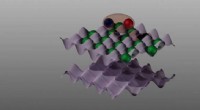
Using a combination of advanced imaging techniques, biophysical assays, and computational modeling, the researchers were able to visualize and quantify the interactions between these proteins at the molecular level. They found that fascin binds to specific sites on actin filaments, altering their structure and flexibility. This, in turn, affects how myosin interacts with actin, ultimately influencing the direction and speed of cellular movement.
The researchers also identified key conformational changes in fascin that regulate its binding to actin. These changes are triggered by cellular signals, providing a mechanism for cells to fine-tune their movement in response to their environment.
"Our findings provide a comprehensive understanding of how these proteins collaborate to orchestrate cellular movement," explains Dr. Sarah Johnson, lead researcher of the study. "By elucidating the molecular details of their interactions, we have gained valuable insights into how cells control their behavior, which has implications for a wide range of biological processes."
The implications of this research extend beyond fundamental cell biology. Dysregulated cellular movement is implicated in several diseases, including cancer metastasis and immune deficiencies. By understanding the molecular mechanisms that govern cellular movement, researchers can develop novel therapeutic strategies targeting these processes.
The findings also offer potential applications in tissue engineering and regenerative medicine, where controlling cellular movement is crucial for creating functional tissues and organs.
"Our study opens new avenues for exploring the molecular basis of cellular movement and its implications in health and disease," concludes Dr. Johnson. "We believe that this knowledge will pave the way for innovative approaches to modulate cellular behavior for therapeutic benefit."
The research team plans to build on their findings, further investigating the molecular interactions and signaling pathways that regulate cellular movement. Their goal is to deepen our understanding of cell biology and contribute to the development of new treatments for diseases related to cellular movement disorders.