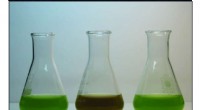
HABs are caused by an overgrowth of algae that can produce toxins that are harmful to humans and wildlife. In Florida, HABs are most common in the summer months, when warm temperatures and high nutrient levels create ideal conditions for algae growth.
The study found that HABs caused the following economic losses in Florida in 2018:
* Tourism: $820 million
* Fisheries: $100 million
* Other industries: $100 million
The tourism industry was hit the hardest by HABs, as many tourists canceled their vacations to Florida due to the presence of the blooms. The fisheries industry also suffered significant losses, as HABs can kill fish and shellfish.
The study also found that HABs had a negative impact on human health. HABs can cause a variety of health problems, including respiratory irritation, skin rashes, and gastrointestinal problems.
The DEP is working to address the problem of HABs in Florida. The agency is developing a comprehensive management plan to reduce the occurrence of HABs and mitigate their impacts. The plan includes measures to reduce nutrient pollution, improve water quality, and monitor HABs.
HABs are a serious problem that is having a significant impact on the Florida economy and human health. The DEP is working to address the problem, but more needs to be done to reduce the occurrence of HABs and mitigate their impacts.