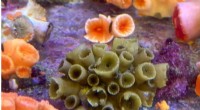
1. Warm Waters: The Asia-Pacific region is located within the tropics, characterized by consistently warm waters throughout the year. Warm waters provide an optimal environment for a wide variety of marine organisms, from heat-loving coral species to tropical fish and other aquatic creatures.
2. Coral Reefs: The Asia-Pacific region is home to some of the world's most extensive coral reefs. Coral reefs are intricate underwater ecosystems that provide habitat, shelter, and food for countless marine species. They act as breeding grounds for many fish and invertebrate species, contributing to the overall biodiversity of the region.
3. Upwelling: Upwelling occurs when nutrient-rich waters from deep ocean layers rise to the surface. These nutrient-rich waters support abundant growth of phytoplankton, which forms the base of the marine food web. The high productivity of these areas attracts a variety of marine life, including fish, seabirds, whales, and dolphins.
4. Monsoons: The Asia-Pacific region experiences monsoon seasons, which bring heavy rains and increased runoff from land into the ocean. This influx of nutrients from land-based sources further enriches the marine environment and supports the growth of marine organisms.
5. Island Archipelagos: The Asia-Pacific region is characterized by numerous island archipelagos, such as the Philippines, Indonesia, and the Solomon Islands. These island archipelagos create complex underwater habitats, including underwater seamounts, trenches, and shallow coastal waters, providing diverse niches for various marine species.
6. Ocean Currents: The Asia-Pacific region is influenced by several major ocean currents, including the Kuroshio Current and the Indonesian Throughflow. These currents transport warm water, nutrients, and larvae of marine organisms across vast distances, facilitating the dispersal and establishment of new populations.
7. Mangroves: Mangrove forests are prevalent along the coastlines of many Asia-Pacific countries. Mangroves provide critical habitats for a variety of marine life, including fish, crustaceans, and mollusks. They also act as nurseries for many juvenile marine species before they venture into the open ocean.
The combination of these factors creates a highly diverse and vibrant marine ecosystem in the Asia-Pacific tropical seas. The warm waters, coral reefs, upwelling, monsoons, island archipelagos, ocean currents, and mangroves all contribute to the remarkable biodiversity found in this region.