1. Archaic Homo sapiens: Archaic Homo sapiens, such as Homo heidelbergensis and Homo rhodesiensis, lived in Africa between 600,000 and 300,000 years ago. They possessed an increased cranial capacity compared to earlier hominins, suggesting the development of more advanced cognitive abilities.
2. Homo neanderthalensis: Neanderthals, closely related to modern humans, co-existed with early humans in Eurasia from approximately 400,000 to 30,000 years ago. Neanderthals shared genetic similarities with modern humans but had distinct physical characteristics and adaptations to cold environments.
3. Homo sapiens sapiens: Modern humans, Homo sapiens sapiens, emerged in Africa around 200,000 years ago and subsequently spread to other parts of the world. Several genetic changes occurred during this period, contributing to our species' dispersal, adaptation to diverse environments, and the development of complex cognitive abilities.
a) Language and Cognition: Genetic variations in genes related to vocal learning, such as FOXP2, may have enabled humans to develop advanced communication and language skills.
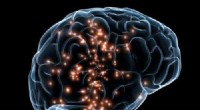
b) Brain Development: Changes in genes involved in brain development and neural connectivity, such as those related to microcephalin (MCPH1), may have contributed to the expansion and reorganization of the human brain.
c) Metabolism and Adaptation: Genetic adaptations allowed early humans to exploit new ecological niches and food sources. For instance, variations in genes related to lipid metabolism and fat storage may have been crucial for survival in colder climates.
d) Immune System: Genetic changes in immune response genes assisted in fending off diseases and pathogens encountered during migrations and adaptations to new environments.
e) Physical Characteristics: Genetic variations contributed to the development of modern human physical features, such as upright posture, reduced body hair, and changes in facial structure.
It's important to note that these genetic variations accumulated over long periods of time through the process of natural selection, where advantageous traits were passed on to subsequent generations, leading to the emergence of the modern human species.