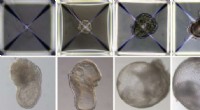
Embryonic development is a complex process that involves the precise coordination of gene expression and cell behavior. Disruptions to this process can lead to birth defects and developmental disorders. To understand how genes control embryonic development, researchers have studied the effects of gene mutations in model organisms such as zebrafish.
Zebrafish are small, transparent fish that develop rapidly, making them a convenient model for studying embryonic development. In this study, researchers used a technique called single-cell RNA sequencing to measure the expression of thousands of genes in individual cells of zebrafish embryos. This allowed them to create a detailed map of how different genes are expressed during development.
The researchers then used this map to study the effects of gene mutations on embryonic development. They found that mutations in key genes disrupted the normal expression of other genes and led to changes in cell behavior. These changes could lead to defects in tissue formation and organ function.
For example, a mutation in the gene tp53 leads to apoptosis or programmed cell death.
One implication of this study is that it could help researchers identify new targets for drugs that treat developmental disorders. By understanding how gene mutations disrupt embryonic development, researchers can develop drugs that can correct these disruptions and restore normal development.
A deeper understanding of the mechanisms underlying embryonic development could pave the way for novel therapeutic strategies for a broad spectrum of developmental disorders impacting human health. Through research using model organisms like zebrafish, scientists are continually unlocking valuable insights into these intricate processes with direct implications for advancing human health research.