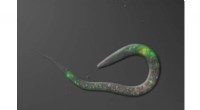
When woylies are infected with the nematode species Trichostrongylus woyliei, they experience milder symptoms of disease. This nematode appears to have co-evolved with the woylie, resulting in a relatively harmless host-parasite relationship.
Research suggests that the absence of T. woyliei in woylies could exacerbate the impacts of other stressors, such as habitat fragmentation and predation, on the already vulnerable population. Here's why:
1. Reduced resistance to other parasites: Without the presence of T. woyliei, woylies may become more susceptible to other, potentially more harmful parasites, including novel parasites that their immune systems are not adapted to handle.
2. Altered immune responses: The absence of T. woyliei could disrupt the woylie's immune system regulation. The host-parasite interaction might play a role in modulating immune responses, and its disruption could lead to increased vulnerability to various diseases.
3. Loss of genetic diversity: Parasite extinctions can reduce the genetic diversity within host-parasite systems, undermining their resilience and adaptability to changing environmental conditions.
4. Weakened population health: The overall health and fitness of the woylie population could be compromised by the loss of T. woyliei, making it more susceptible to other threats.
5. Cascading effects on the ecosystem: The extinction of T. woyliei could also affect other species within the ecosystem. For instance, if the nematode plays a role in nutrient cycling or affects the woylie's behavior or diet, its loss could have indirect consequences for other organisms that interact with the woylie.
Therefore, the extinction of parasites can have unforeseen and potentially devastating consequences, highlighting the importance of understanding and preserving ecological interactions, even those involving endangered species and their parasites.