Ancient Pathogens: Parasites can leave traces of their presence in the form of fossilized eggs, cysts, or other structures. By analyzing these fossils, scientists can identify and study ancient pathogens that existed millions of years ago. This information can provide insights into the evolution and spread of infectious diseases over time.
Host-Parasite Interactions: Fossilized parasites can also provide valuable information about host-parasite interactions in ancient ecosystems. By examining the anatomical features of parasites and their hosts, researchers can gain insights into the strategies employed by parasites to infect and exploit their hosts. This knowledge can help us understand the mechanisms by which infectious diseases spread and cause harm.
Paleopathology: The study of ancient diseases in human and animal populations is known as paleopathology. By examining fossilized remains, scientists can detect evidence of past infections, including bone lesions, dental caries, and other pathological changes caused by parasites. This information can shed light on the prevalence, transmission, and impact of infectious diseases in ancient societies.
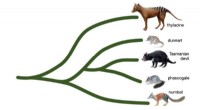
Co-evolution: Fossilized parasites can contribute to our understanding of co-evolutionary relationships between hosts and parasites. By studying the changes in parasite and host traits over time, researchers can infer how they have mutually adapted and influenced each other's evolution. This knowledge can provide insights into the dynamics of host-parasite interactions and the emergence of new infectious diseases.
Comparative Biology: Comparing fossilized parasites with modern parasites can provide valuable information about the genetic diversity and evolutionary history of parasites. By tracing the origins and dispersal of parasitic lineages through time, scientists can gain insights into the factors driving the emergence and spread of infectious diseases in different geographical regions and ecosystems.
Environmental Changes: Parasite fossils can also serve as indicators of past environmental changes. For instance, the presence or absence of certain parasites in different geological strata can provide information about ancient climate conditions, vegetation patterns, and the availability of suitable hosts. This information can help researchers understand how environmental factors influence the transmission and distribution of infectious diseases.