Despite their importance, plasmalogens are often overlooked in discussions of phospholipids. This is likely due to the fact that they are more difficult to study than other phospholipids. Plasmalogens are also more susceptible to oxidation, which can make them difficult to isolate and analyze.
However, recent research has shown that plasmalogens play a critical role in a number of cellular processes. For example, plasmalogens have been shown to be involved in:
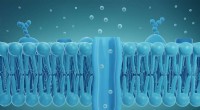
* Cell membrane formation and repair: Plasmalogens help to maintain the structural integrity of cell membranes by forming a tight lipid bilayer. They also play a role in the repair of damaged cell membranes.
* Cellular signaling: Plasmalogens are involved in a number of cellular signaling pathways, including the Wnt signaling pathway and the Notch signaling pathway. These pathways are essential for cell growth, differentiation, and apoptosis.
* Neuroprotection: Plasmalogens have been shown to protect neurons from damage caused by oxidative stress and excitotoxicity. This suggests that plasmalogens may play a role in the prevention of neurodegenerative diseases such as Alzheimer's disease and Parkinson's disease.
Overall, plasmalogens are an important type of phospholipid that play a critical role in a number of cellular processes. While they may not be as well-known as other phospholipids, plasmalogens are essential for maintaining the health and function of cells.