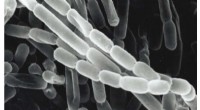
Chromosomes are long, thin strands of DNA that carry the genetic information of an organism. In order to fit inside the nucleus of a cell, chromosomes must be folded into a compact structure. The way chromosomes are folded is important for regulating gene expression and other cellular processes.
Previous studies have shown that chromosomes are organized into a series of loops, which are held together by proteins called cohesins. The new model developed by the physicists provides a detailed understanding of how these loops form and interact with each other.
The model shows that the formation of loops is driven by the thermodynamic properties of DNA. DNA is a flexible polymer that can adopt a variety of conformations. The most stable conformation is the one that minimizes the free energy of the system.
In the case of DNA, the lowest energy conformation is a loop. This is because the formation of a loop allows the DNA to interact with itself and form hydrogen bonds, which stabilize the structure.
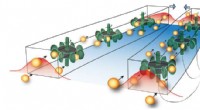
The model also shows that the interactions between loops are important for determining the overall organization of the genome. The loops can interact with each other in a variety of ways, such as by forming bridges or by stacking on top of each other. These interactions create a complex network of contacts that determine the three-dimensional structure of the genome.
The new model provides a valuable tool for understanding how chromosomes are folded and how this folding affects gene expression. This information could lead to new insights into a variety of diseases, such as cancer, that are caused by disruptions in the organization of the genome.
The study was published in the journal Nature Physics.