In a groundbreaking step forward in the fight against drug-resistant bacteria, scientists are harnessing the power of a sugarcane pathogen to unlock a new era of antibiotic discovery. This remarkable feat is shedding light on a novel mode of action that could lead to the development of innovative and highly effective antibiotics. Here's how this promising research breakthrough came about and its potential impact on global health.
Meet Xylella fastidiosa: The Sugarcane Pathogen
*Xylella fastidiosa* is a stealthy bacterium that wreaks havoc on sugarcane crops, causing severe damage and economic losses to the agricultural industry. However, researchers have stumbled upon an unexpected asset within this notorious pathogen: its unique ability to produce a compound called fastidin.
Fastidin: A Game-Changing Antibacterial Agent
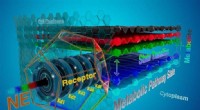
Fastidin is a remarkable molecule that exhibits exceptional antibacterial properties. Unlike conventional antibiotics, which target bacterial growth, fastidin takes a different approach. It disrupts the ability of bacteria to communicate with each other—a phenomenon known as quorum sensing. This disruption wreaks havoc on bacterial communities, making it difficult for them to organize, spread, and cause infections.
The Importance of Quorum Sensing in Bacteria
Quorum sensing is a critical mechanism employed by bacteria to regulate their behavior and synchronize their activities. By interfering with this communication pathway, fastidin essentially renders bacteria helpless, preventing them from forming biofilms, coordinating virulence factors, and adapting to harsh conditions.
Broad-Spectrum Potential Against Multidrug-Resistant Pathogens
Fastidin demonstrates promising activity against a wide range of multidrug-resistant bacteria, including the infamous ESKAPE pathogens (Enterococcus faecium, Staphylococcus aureus, Klebsiella pneumoniae, Acinetobacter baumannii, Pseudomonas aeruginosa, and Enterobacter spp.). These bacteria are notorious for their resistance to conventional antibiotics, posing significant challenges in treating infections.
Towards Clinical Applications
Although promising, the journey from a lab discovery to clinical use can be arduous. Researchers are diligently undertaking essential steps, such as optimizing the compound's potency and formulation, evaluating its safety profile, and conducting clinical trials to establish efficacy in humans.
The Future of Antibiotic Discovery
The emergence of fastidin and its unique mode of action could herald a new era in antibiotic development. By exploring alternative targets beyond bacterial growth and disrupting communication pathways, scientists can potentially overcome the challenges of antibiotic resistance. This exciting discovery underscores the importance of exploring unconventional sources for inspiration, as nature holds a wealth of untapped potential in the fight against infectious diseases.
In conclusion, the discovery of fastidin from the sugarcane pathogen *Xylella fastidiosa* represents a momentous leap in the field of antibiotic research. Its unique ability to disrupt bacterial communication opens new avenues for combating drug-resistant pathogens. As researchers continue their efforts, we can eagerly anticipate the potential for fastidin and other innovative antibiotics to revolutionize healthcare and safeguard human health worldwide.