Humans and cobras are both descended from a common ancestor that lived about 65 million years ago. This ancestor was a small, shrew-like creature that lived in trees and ate insects. Over time, some of these creatures evolved into primates, while others evolved into snakes.
One of the key differences between primates and snakes is that snakes are venomous. Venom is a toxic substance that is injected into a victim through a bite. Venom can cause a variety of symptoms, including pain, swelling, nausea, and vomiting. In some cases, venom can even be fatal.
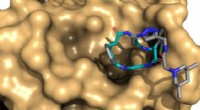
Primates are not venomous, but they have evolved a number of defenses against snake venom. One of these defenses is a protein called venom-neutralizing factor (VNF). VNF binds to venom molecules and prevents them from causing harm.
VNF is found in the blood of all primates, but it is especially high in the blood of primates that live in areas where venomous snakes are common. This suggests that VNF evolved as a defense against snake venom.
The evolution of VNF is a testament to the power of natural selection. Over time, natural selection has favored primates that are able to resist snake venom. This has allowed primates to survive and thrive in environments where venomous snakes are common.
Here is a timeline of the key events in the evolution of venom resistance in primates:
* 65 million years ago: The last common ancestor of primates and snakes evolves. This ancestor is a small, shrew-like creature that lives in trees and eats insects.
* 50 million years ago: Some of these creatures evolve into primates, while others evolve into snakes.
* 30 million years ago: The first venomous snakes appear.
* 20 million years ago: Primates evolve VNF, a protein that binds to venom molecules and prevents them from causing harm.
* 10 million years ago: Primates that are able to resist snake venom are more likely to survive and reproduce. This leads to the evolution of VNF in all primates.
* Today: Primates are able to live and thrive in environments where venomous snakes are common.
The evolution of venom resistance in primates is a fascinating example of how natural selection can work to help organisms adapt to their environment.