Soda Lakes as Primordial Environments:
Soda lakes are unique aquatic environments characterized by high concentrations of carbonate salts, such as sodium carbonate and sodium bicarbonate. These alkaline conditions are often accompanied by high pH levels and low levels of oxygen. These characteristics make soda lakes somewhat similar to the conditions thought to be present on the early Earth.
Prebiotic Chemistry:
Soda lakes provide a suitable setting for prebiotic chemical reactions that could lead to the formation of organic molecules. The high alkalinity promotes the synthesis of simple organic compounds, including amino acids and nucleotides, which are essential building blocks of proteins and nucleic acids, respectively.
Hydrothermal Vents:
Soda lakes can be associated with hydrothermal vents, which are natural openings in the Earth's crust where hot, mineral-rich water emerges from the ground. The presence of hydrothermal activity provides a source of energy and essential elements, such as iron, sulfur, and phosphorus, which are necessary for the synthesis of prebiotic molecules.
Minerals as Catalysts:
The high concentration of carbonate minerals in soda lakes can serve as catalysts for certain chemical reactions involved in the formation of biomolecules. For example, the surfaces of clay minerals can provide active sites that facilitate the formation of amino acids and other organic compounds.
Lipid Vesicles:
Another important factor in the origin of cells is the formation of lipid vesicles, which are self-assembled structures made of lipid molecules. Lipid vesicles can spontaneously form in soda lake environments, providing compartments that resemble primitive cell membranes and can encapsulate organic molecules.
Cellular Structures:
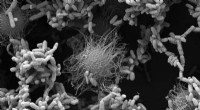
Certain soda lakes contain structures resembling primitive cells, known as stromatolites. These laminated structures are formed by the layering of microbial communities, and their presence in soda lake environments suggests that conditions in these lakes may have supported early cellular life.
Despite these intriguing connections, it is important to note that the exact sequence of events leading to the origin of cells is still a subject of ongoing research, and the contribution of soda lakes remains one piece of the puzzle. Scientists continue to study various environments and geochemical conditions to better understand the conditions that allowed for the emergence of the first cells.