1. Phytoplankton and Carbon Sequestration:
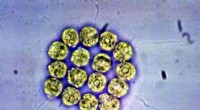
- Phytoplankton, microscopic algae that drift in the world's oceans, are responsible for capturing enormous amounts of carbon dioxide from the atmosphere through photosynthesis.
- They convert this CO2 into organic matter, which sinks to the ocean floor and becomes sequestered for millions of years.
- Protecting and enhancing phytoplankton populations could help mitigate carbon emissions and reduce atmospheric CO2 levels.
2. Methane-Producing Archaea:
- Archaea, a group of single-celled microorganisms, are responsible for producing methane (CH4), a potent greenhouse gas 25 times more effective at trapping heat than CO2.
- These archaea thrive in wetlands, rice paddies, and the digestive systems of animals, particularly ruminants like cattle and sheep.
- Managing methane emissions from archaea, including through improved agricultural practices and wetland restoration, could significantly reduce overall greenhouse gas emissions.
3. Nitrogen-Fixing Bacteria and Nitrous Oxide:
- Nitrogen-fixing bacteria convert atmospheric nitrogen into forms usable by plants.
- However, this process also releases nitrous oxide (N2O), a powerful greenhouse gas 298 times more effective than CO2.
- Optimizing nitrogen fertilizer use, promoting legume cultivation, and implementing sustainable agricultural practices can help minimize N2O emissions from these bacteria.
4. Soil Microbiomes and Carbon Storage:
- Soil microbiomes, composed of diverse microorganisms, play a vital role in carbon cycling and storage.
- They help break down organic matter and release nutrients for plants, contributing to carbon sequestration in the soil.
- Preserving and enhancing soil microbial communities through sustainable land management practices can improve soil health and increase carbon storage.
5. Bioenergy and Algal Biofuels:
- Microalgae can be harnessed to produce biofuels, such as biodiesel and bioethanol, through their lipid and carbohydrate content.
- Algal biofuels have the potential to replace fossil fuels and reduce greenhouse gas emissions associated with transportation and energy production.
6. Bioremediation and Detoxification:
- Microorganisms can degrade and detoxify pollutants and contaminants in soil and water, aiding in the remediation of polluted environments.
- Harnessing the capabilities of these microorganisms can contribute to cleaning up contaminated sites and mitigating the effects of industrial activities.
7. Climate Resilient Crops and Genetic Engineering:
- Microorganisms can be used in genetic engineering to create climate-resilient crops better adapted to changing environmental conditions.
- These crops could improve food security and reduce the vulnerability of agricultural systems to climate change impacts.
8. Monitoring and Early Warning Systems:
- Microorganisms can serve as early indicators of environmental changes and can be used in monitoring systems to track climate-related impacts, such as ocean acidification and shifts in species distribution.
By understanding the roles and behaviors of microscopic proteins, scientists and policymakers can develop innovative solutions to address climate change. Leveraging the potential of these tiny organisms could lead to effective strategies for carbon sequestration, methane reduction, sustainable agriculture, bioenergy production, and ecosystem resilience. Recognizing and harnessing the power of microscopic proteins could be a game-changer in our efforts to mitigate climate change and secure a sustainable future for our planet.