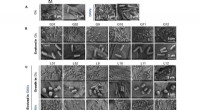
This community of microbes is known as the necrobiome, and it's made up of bacteria, fungi, and other microorganisms. Some of these microbes are present on the body even before death, while others colonize the body after death.
The composition of the necrobiome varies from person to person, and it can be influenced by a number of factors, such as age, health status, and environment. However, certain types of microbes are commonly found in the necrobiome, including:
* Bacteria: Bacteria are the most abundant type of microbe in the necrobiome. Some of the most common bacteria include Staphylococcus, Streptococcus, and Clostridium. These bacteria are responsible for breaking down the body's soft tissues.
* Fungi: Fungi are also common in the necrobiome. Some of the most common fungi include Aspergillus, Candida, and Mucor. These fungi help to break down the body's skin and hair.
* Protozoa: Protozoa are single-celled organisms that are found in the necrobiome. Some of the most common protozoa include Amoeba, Paramecium, and Euglena. These protozoa help to break down the body's waste products.
The necrobiome plays an important role in the process of decomposition, which is essential for returning nutrients to the environment and cycling them back into the food chain. Additionally, the necrobiome can provide valuable insights into a person's health status and can even help to identify the cause of death.
How the necrobiome recycles the body
The necrobiome begins to break down the body's tissues shortly after death. The first microorganisms to colonize the body are usually bacteria, such as Staphylococcus and Streptococcus. These bacteria start to break down the body's proteins and carbohydrates.
As the body continues to decompose, other microbes, such as fungi and protozoa, join in the process. Fungi help to break down the body's skin and hair, while protozoa help to break down the body's waste products.
The necrobiome can completely break down the human body in a matter of weeks or months. However, the process can be slowed down by factors such as cold temperatures or low humidity.
The importance of the necrobiome
The necrobiome plays a vital role in the process of decomposition, which is essential for returning nutrients to the environment and cycling them back into the food chain. Additionally, the necrobiome can provide valuable insights into a person's health status and can even help to identify the cause of death.
Conclusion
The necrobiome is a complex community of microbes that plays a vital role in the process of decomposition. This community of microbes is responsible for breaking down the body's tissues and returning nutrients to the environment. The necrobiome can also provide valuable insights into a person's health status and can even help to identify the cause of death.