The findings, published today in the journal Nature Communications, could one day lead to industrial-scale recycling processes that turn waste food, cotton and other organic material into new products. It could also pave the way for more efficient conversion of plant matter into biofuels.
"These enzymes help make carbon recycling in the environment possible, and we may be able to use the knowledge of how they work to engineer better versions for recycling purposes," said NIST microbial biologist Adam Guss.
One of the most important parts of the carbon cycle is the breakdown of organic matter (everything from old leaves to cotton clothing to dead microorganisms) by bacteria and fungi. This breakdown process returns valuable carbon and nutrients to the soil, where it can feed new life—as long as the organic material is biodegradable. Synthetic or highly processed organic materials typically don't break down well, and this has become a major problem for the environment.
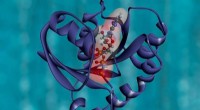
But certain enzymes known as lytic polysaccharide monooxygenases (LPMOs) allow some bacteria and fungi to bypass the tough exterior of otherwise undigestable organic matter, enabling the microbes to break down the interior parts of the molecules for food and energy.
As their name suggests, LPMOs use oxygen and metal ions such as copper or iron to break apart sugar-based molecules known as polysaccharides that are part of the scaffolding of plant cell walls in leaves and cotton fibers, as well as in the exoskeletons of chitin-containing fungi and insects.
The NIST study focused on an LPMO produced by a bacterium called Streptomyces coelicolor, a species known to break down plant material as part of the compost-formation process. The bacterial LPMO was able to break apart polysaccharides at the atomic level without disrupting the cellulose "backbone," which is a promising feature for future biofuel production.
A variety of other microbes also produce LPMOs, but researchers are only beginning to understand how they work. As more is learned about the diverse LPMOs in nature, it may become possible to transplant them into different microbes, creating factories for recycling plastic and other modern compounds that don't break down well in the environment.
"In nature, LPMOs help fungi break down leaf litter in the acidic, nutrient-poor soil of forests," Guss said. "We want to harness the power of these enzymes for industrial processes using microbes that work best at higher pH levels and higher temperatures. Then, we can think about large-scale recycling, where we grow or engineer bacteria with the right LPMOs, feed them organic waste and get useful and valuable products—such as sustainable fuels or bioplastics—out the other end."