1. Smaller organisms have a shorter generation time, which means that they can evolve more quickly. This is because they reach sexual maturity earlier and can produce more offspring in a shorter period of time. As a result, they can more quickly adapt to changing environmental conditions.
2. Smaller organisms have a lower metabolic rate, which means that they require less food and energy to survive. This can be an advantage in environments where resources are scarce or competition for food is high.
3. Smaller organisms are less likely to be preyed upon by larger animals. This is because they are more difficult to see and catch, and they may also have adaptations that help them to avoid predators.
4. Smaller organisms may be better able to exploit certain ecological niches. For example, they may be able to live in smaller spaces or feed on smaller prey items that larger animals cannot access.
5. Smaller organisms may simply be more efficient at converting energy into biomass. This could be due to a number of factors, such as a higher surface-to-volume ratio or a lower proportion of non-reproductive tissues.
Of course, there are also some disadvantages to being small. For example, smaller organisms may have difficulty regulating their body temperature and may be more vulnerable to injury or disease. However, in many cases, the advantages of being small outweigh the disadvantages, and this is why evolution often favors small animals and other organisms.
Here are some specific examples of how small size has allowed certain animals and organisms to thrive:
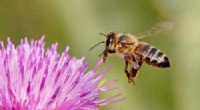
* Insects are one of the most successful groups of animals on Earth, and this is due in part to their small size. Insects are able to live in a wide variety of habitats, from the tropics to the Arctic, and they can feed on a wide variety of plants and animals. Their small size allows them to exploit many different ecological niches, and they can also rapidly evolve to adapt to changing environmental conditions.
* Microorganisms, such as bacteria and fungi, are also very successful, and this is also due in part to their small size. Microorganisms are able to live in almost any environment, and they can play a variety of important roles in the ecosystem, such as decomposing organic matter and cycling nutrients. Their small size allows them to quickly reproduce and spread, and they can also rapidly evolve to adapt to new environments.
In conclusion, small size has a number of advantages that can allow animals and other organisms to thrive. As a result, evolution often favors small organisms, and this is why we see so many small animals and organisms in the world today.