Introduction:
The nuclear pore complex (NPC) is a highly intricate structure that regulates the transport of molecules between the nucleus and cytoplasm. One essential component of NPCs is a protein called Nup98. Recent studies have revealed that Nup98 plays a critical role in regulating the development of blood cells and the occurrence of myeloid disorders. This article explores how Nup98 influences these processes and its potential implications in understanding and treating blood-related diseases.
Nup98 Structure and Function:
Nup98 is a large protein found in the cytoplasmic filaments of NPCs. It consists of several functional domains that facilitate interactions with other NPC components, nuclear transport factors, and chromatin-modifying enzymes. Nup98 acts as a scaffolding protein, contributing to the structural integrity of the NPC and regulating the trafficking of macromolecules.
Nup98 in Hematopoiesis:
Hematopoiesis is the process through which different types of blood cells are produced in the bone marrow. Nup98 has been identified as a key regulator of hematopoietic stem cell (HSC) self-renewal and differentiation. Studies have shown that Nup98 deficiency in mice leads to defects in HSC maintenance, resulting in reduced numbers of these crucial cells. Additionally, Nup98 regulates the differentiation of HSCs into various lineages, including myeloid and lymphoid cells.
Nup98 and Myeloid Disorders:
Abnormalities in Nup98 function have been implicated in the development of several myeloid disorders. One of the most well-known associations is with acute myeloid leukemia (AML). Translocations involving the NUP98 gene, resulting in fusion proteins with other genes, are found in approximately 10% of AML cases. These fusion proteins disrupt the normal function of Nup98, leading to abnormal gene expression and uncontrolled cell growth.
Mechanisms of Nup98 Dysregulation:
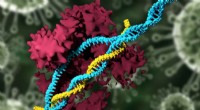
The mechanisms by which Nup98 dysfunction contributes to myeloid disorders are multifaceted. Studies suggest that Nup98 fusion proteins can disrupt the structure and function of NPCs, affecting the transport of key regulatory molecules. Additionally, these abnormal proteins can interfere with chromatin remodeling, altering the expression of genes involved in cell cycle control, differentiation, and apoptosis.
Therapeutic Implications:
Understanding the role of Nup98 in blood cell development and myeloid disorders has significant therapeutic implications. Targeting Nup98 fusion proteins and restoring normal NPC function could provide novel treatment strategies for AML and other myeloid disorders. Researchers are actively exploring the development of small molecule inhibitors and targeted therapies that specifically disrupt these abnormal protein interactions.
Conclusion:
Nup98, a crucial component of nuclear pore complexes, plays a critical role in regulating blood cell development and is implicated in the pathogenesis of myeloid disorders. Further research is essential to fully elucidate the molecular mechanisms underlying Nup98 dysregulation and to develop effective therapeutic interventions for myeloid malignancies. Understanding the intricate interplay between Nup98 and blood cell biology holds promise for advancing personalized medicine and improving patient outcomes in hematological disorders.