1. Common Underlying Mechanisms:
Cancer and CVD share several underlying biological mechanisms, including chronic inflammation, oxidative stress, abnormal cell growth, and impaired immune responses. Targeting these shared mechanisms could potentially lead to therapeutic interventions effective against both diseases.
2. Targeting the PI3K Pathway:
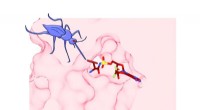
The phosphatidylinositol 3-kinase (PI3K) signaling pathway plays a crucial role in cell growth, proliferation, and survival. Dysregulation of this pathway has been implicated in both cancer and CVD. Drugs targeting the PI3K pathway have shown promise in preclinical studies and are undergoing clinical trials for various types of cancer and cardiovascular conditions.
3. Senolytics for Aging-Related Diseases:
Senescent cells are non-dividing cells that accumulate with age and have been linked to various age-related diseases, including cancer and CVD. Senolytic drugs aim to eliminate senescent cells and have demonstrated beneficial effects in mouse models of both diseases.
4. Immunotherapies:
Immunotherapies harness the body's immune system to fight cancer and other diseases. Some immunotherapies, such as checkpoint inhibitors, have shown efficacy against different types of cancer and could potentially be repurposed for CVD treatment.
5. Nanomedicine:
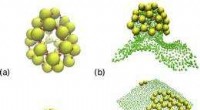
Nanomedicine involves the use of nanoparticles to deliver drugs and other therapeutic agents to specific target cells. This targeted approach could improve drug efficacy and reduce side effects, making it a potential platform for treating both cancer and CVD.
Challenges:
Despite these promising avenues of research, developing a single drug that can effectively treat both cancer and CVD is a complex endeavor. Challenges include the heterogeneity of cancer and CVD subtypes, the need for precise drug targeting, and potential drug resistance.
Ongoing research efforts and clinical trials are exploring the potential of the above-mentioned strategies and others to identify drugs with broad therapeutic effects against cancer and cardiovascular disease. However, further research and rigorous testing are necessary before any such drug can be widely available for clinical use.