The emergence of life from non-living matter, a fundamental question in biology, is a complex and multifaceted challenge. The transition from prebiotic chemistry to the first living organisms required the organization and compartmentalization of molecules into functional biological systems. How this occurred remains a topic of active research and debate. One theory that attempts to explain this transition is protobiology, which suggests that life arose through a series of self-organizing processes in prebiotic environments.
From Chaos to Order: The Birth of Protocells
Protobiology proposes that, in environments rich with prebiotic molecules, certain conditions can lead to the spontaneous formation of protocells, the precursors to living cells. These protocells are primitive membrane-bound structures resembling modern cells but lack the complexity and sophistication of living organisms.
Key Steps in Protobiology
1. Chemical Evolution: The first step in the journey towards protobiology is the formation of complex organic molecules from simple inorganic precursors. Experiments like the Miller-Urey experiment have demonstrated that this can occur naturally in environments mimicking the conditions of early Earth.
2. Self-Assembly and Compartmentalization: As the prebiotic soup of organic molecules grows in complexity, certain amphiphilic molecules, such as fatty acids, can self-assemble into lipid membranes. These membranes are essential for enclosing and compartmentalizing molecules within protocells, creating a distinct boundary and a protected environment.
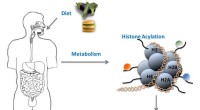
3. Protometabolism: Simple metabolic reactions may have arisen within these protocells. This protometabolism could involve the exchange of molecules with the environment, allowing for energy transfer and chemical transformations resembling primitive metabolic pathways.
4. Molecular Evolution and Replication: Protocells became more refined as replication mechanisms developed. Molecules capable of copying themselves, such as RNA or DNA, could have emerged and initiated the processes of evolution. Over time, these replicating entities improved in accuracy and complexity, leading to the evolution of more sophisticated genetic systems.
5. Selective Pressures and Compartmentalization: As protocells diversified and interacted with their surroundings, selective pressures akin to natural selection began to operate. This process favored protocells that could effectively replicate and compartmentalize their genetic material. Ultimately, this led to the evolution of more intricate and efficient cellular structures.
The Challenges and Evidence for Protobiology
Challenges:
- Complexity: Protobiology faces the challenge of explaining how self-organization can lead to the highly coordinated and complex systems characteristic of living cells.
- Gaps in Knowledge: Many details of prebiotic chemistry and early Earth's environment still remain to be fully understood, which limits our ability to fully simulate and validate protobiological theories.
Evidence:
- Microfossils: Discoveries of microfossils, such as stromatolites, suggest the presence of protocellular structures in the early geological record.
- Lipid Membranes: The self-assembly of lipid membranes has been observed in laboratory experiments, supporting the idea that protocells could have spontaneously formed.
- Ribozymes: Certain RNA molecules have been shown to catalyze specific biochemical reactions, suggesting the possibility of RNA-based life before DNA evolved.
Protobiology offers a compelling framework for understanding how the complexity of life could have emerged from simple chemical interactions. However, it remains a challenging and evolving field, with many questions still unanswered. The exploration of protobiology continues to deepen our understanding of the intricate connections between chemistry, biology, and the origins of life.