The researchers say that this new understanding of how the Ebola virus infects cells could lead to the development of new treatments for the disease.
Ebola virus is a highly contagious and deadly virus that causes fever, bleeding, and organ failure. The virus is spread through contact with infected blood or bodily fluids. There is no cure for Ebola virus, and the mortality rate is high.
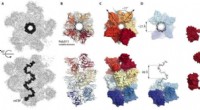
The new study provides a detailed look at how the Ebola virus infects cells. The researchers used a technique called cryo-electron microscopy to visualize the structure of the GP protein and how it binds to the receptor on the surface of cells.
The researchers found that the GP protein is made up of three domains: a head, a neck, and a base. The head domain is responsible for binding to the receptor on the surface of cells. The neck domain is responsible for triggering the fusion of the virus with the cell membrane. The base domain is responsible for anchoring the GP protein to the surface of the virus.
The researchers say that this new understanding of the structure of the GP protein could lead to the development of new drugs that block the binding of the virus to cells. These drugs could potentially prevent or treat Ebola virus infection.
The researchers are also hopeful that their findings could lead to the development of a vaccine against Ebola virus. A vaccine could protect people from infection by preventing the virus from binding to cells.
The new study is a significant step forward in our understanding of how the Ebola virus infects cells. This understanding could lead to the development of new treatments and vaccines for the disease.