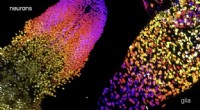
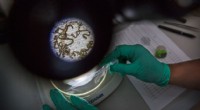
Lung organoids are small, self-organizing clusters of human lung cells that can be grown in the laboratory. They are a powerful tool for studying how the lung develops and how it responds to injury and disease.
In a new study, researchers used lung organoids to investigate how two common pathogens, influenza virus and Streptococcus pneumoniae, infect human lung tissue. The researchers found that the pathogens were able to invade the organoids and cause damage to the cells. They also found that the organoids were able to mount an immune response to the pathogens, but that this response was not always sufficient to prevent infection.
The findings of this study provide new insights into how pathogens infect the lung and how the lung responds to infection. This information could lead to the development of new treatments for lung infections.
Key findings:
* Lung organoids can be used to study how pathogens infect human lung tissue.
* Influenza virus and Streptococcus pneumoniae were able to invade lung organoids and cause damage to the cells.
* Lung organoids were able to mount an immune response to the pathogens, but this response was not always sufficient to prevent infection.
Implications:
* The findings of this study could lead to the development of new treatments for lung infections.
* Lung organoids could also be used to test the efficacy of new drugs and vaccines for lung infections.
* Lung organoids could provide a platform for studying the pathogenesis of other lung diseases, such as asthma and chronic obstructive pulmonary disease (COPD).