Calcium signaling plays a vital role in regulating a wide range of cellular processes, including muscle contraction, nerve transmission, and gene expression. Calcium-sensing proteins, also known as calcium sensors or calcium-binding proteins, are key players in deciphering and translating these calcium signals into specific cellular responses. Among these proteins, one remarkable example is the calcium-sensing protein calmodulin, which stands out for its ability to multitask and orchestrate diverse cellular functions.
Structural Versatility: A Molecular Chameleon
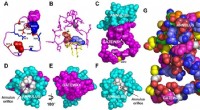
Calmodulin is a small, ubiquitous protein found in all eukaryotic cells. Its molecular structure is characterized by two globular domains connected by a flexible linker region. Each domain contains two EF-hand motifs, which serve as calcium-binding sites. This structural arrangement allows calmodulin to bind calcium ions in a cooperative manner, undergoing conformational changes that enable it to interact with a vast array of target proteins.
Target Recognition: A Matchmaker for Protein Interactions
Calmodulin's ability to bind calcium in different ways allows it to selectively recognize and interact with a wide range of target proteins. These target proteins belong to various cellular compartments and functional classes, including enzymes, ion channels, transcription factors, and cytoskeletal proteins. Upon binding to calcium, calmodulin undergoes structural rearrangements that expose hydrophobic surfaces, facilitating its interaction with specific target sites on these proteins.
Multifunctional Roles: A Versatile Player in Cellular Processes
The interaction of calmodulin with its target proteins modulates their activity, leading to diverse cellular responses. Here are some examples of calmodulin's multifunctional roles:
1. Muscle Contraction: Calmodulin binds to myosin light chain kinase, promoting its activation. This leads to the phosphorylation of myosin, allowing it to interact with actin and generate the force required for muscle contraction.
2. Nerve Transmission: Calmodulin regulates the activity of voltage-gated calcium channels, controlling the influx of calcium ions into neurons. This calcium influx triggers neurotransmitter release, which is essential for communication between nerve cells.
3. Gene Expression: Calmodulin binds to certain transcription factors, altering their DNA-binding properties and regulating the expression of specific genes. This allows cells to respond to changes in calcium levels by modulating gene transcription.
4. Cellular Motility: Calmodulin plays a role in regulating the assembly and disassembly of the cytoskeleton, which is critical for cell movement, cell division, and cell shape changes.
Conclusion: A Masterful Conductor of Cellular Symphony
Calmodulin's versatility as a calcium-sensing protein enables it to integrate calcium signals into a multitude of cellular processes. By selectively interacting with diverse target proteins, calmodulin acts as a master conductor, coordinating and fine-tuning cellular functions in response to calcium fluctuations. Understanding the intricate mechanisms of calmodulin's interactions and its role in various cellular pathways provides valuable insights into cellular signaling, homeostasis, and disease processes.