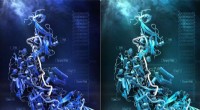
The first step in human cloning is to create a somatic cell. A somatic cell is any cell in the body that is not a sex cell. These cells contain all of the genetic information necessary to create a new human being.
To create a somatic cell, a small piece of tissue is taken from the donor. The tissue is then placed in a culture dish and allowed to grow. The cells will divide and multiply, creating a population of somatic cells.
Step 2: Remove the nucleus from the somatic cell
The next step is to remove the nucleus from the somatic cell. The nucleus is the part of the cell that contains the genetic material.
To remove the nucleus, the cell is treated with a chemical that dissolves the nuclear membrane. The nucleus will then be released from the cell.
Step 3: Insert the nucleus into an egg cell
The next step is to insert the nucleus from the somatic cell into an egg cell. An egg cell is a cell that has been released from the ovary and is ready to be fertilized.
To insert the nucleus, the egg cell is injected with a needle that contains the nucleus. The nucleus will then be integrated into the egg cell's cytoplasm.
Step 4: Fertilize the egg cell
The final step is to fertilize the egg cell. This can be done by adding sperm to the egg cell or by using a technique called in vitro fertilization (IVF).
If fertilization is successful, the egg cell will begin to divide and multiply. This will lead to the development of an embryo.
The embryo will eventually implant in the uterus and develop into a fetus. The fetus will grow and develop until it is born as a baby.
Timeline
The process of human cloning is complex and time-consuming. It can take several weeks to create a somatic cell, remove the nucleus, insert the nucleus into an egg cell, and fertilize the egg cell.
If all goes well, the embryo will implant in the uterus and develop into a fetus. The fetus will grow and develop until it is born as a baby. The entire process can take up to nine months.
Ethical concerns
There are many ethical concerns associated with human cloning. Some people believe that it is wrong to create a human being for the sole purpose of research or organ donation. Others believe that it is wrong to create a human being who is genetically identical to another person.
The ethical concerns about human cloning are complex and there is no easy answer. It is important to weigh the potential benefits of human cloning against the potential risks before making a decision about whether or not this technology should be used.