1. Diversity of Native Bees: There are thousands of species of native bees worldwide, each with its own unique characteristics, behaviors, and habitat preferences. This diversity means that native bees can collectively pollinate a wide range of plants, including many that honeybees may not be able to access or pollinate as effectively.
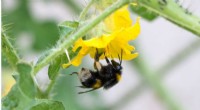
2. Pollination Effectiveness: Native bees are often highly effective pollinators. Some native bee species have specialized traits that allow them to access certain flowers or transfer pollen more efficiently than honeybees. For example, long-tongued bees can reach deep into flowers with narrow corollas, and bumblebees can carry large amounts of pollen on their bodies.
3. Pollination of Native Plants: Native bees play a particularly important role in pollinating native plant species. Many native plants have evolved specific relationships with native bees, and these bees are often the most efficient pollinators for these plants. Without native bees, these plant species may face reduced reproductive success, which can have cascading effects on ecosystems.
4. Resilience and Adaptability: Native bees are often more resilient and adaptable to local conditions than honeybees. They can better withstand variations in climate, disease, and habitat changes. This resilience is important in the face of environmental challenges, such as climate change, which may affect honeybee populations.
5. Supporting Native Bees: To support native bees and enhance their pollination services, several conservation efforts can be undertaken. These include planting bee-friendly flowers, reducing pesticide use, providing nesting sites, and creating bee habitats in urban and rural areas.
While the loss of honeybee colonies is a significant concern, it is important to recognize the vital role played by native bees in pollination. By supporting and conserving native bees, we can help ensure the continued pollination of our crops and ecosystems and maintain biodiversity.