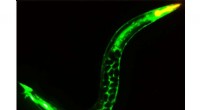
Electric eels are capable of generating powerful electric shocks that can stun or even kill prey. This ability is made possible by a specialized organ called the electric organ, which is composed of thousands of modified muscle cells called electrocytes.
Scientists have long been fascinated by the evolution of electric eels, and a new study has shed some light on how these creatures came to possess their unique ability.
The study, published in the journal "Nature Ecology & Evolution," found that electric eels evolved from a common ancestor that shared many similarities with catfish. Over time, these ancestors developed the ability to generate weak electric fields, which they used to communicate with each other and navigate their surroundings.
As these electric fields became stronger, they eventually became powerful enough to stun prey. This gave electric eels a significant advantage in the competition for food, and they quickly became one of the most successful predators in their environment.
The study's findings also provide insights into the evolution of other electric fish, such as the electric catfish and the electric ray. These fish all evolved from different ancestors, but they all share the common feature of having a specialized electric organ.
This suggests that the ability to generate electricity is a highly adaptive trait that has evolved multiple times in different groups of fish.
The study's findings are a significant step forward in our understanding of the evolution of electric fish. They provide new insights into how these creatures came to possess their unique ability, and they also help us to understand the broader evolutionary history of fish.