E. coli O157:H7 is a strain of bacteria that can cause severe food poisoning. It is found in the gut of cattle and other animals, and it can be transmitted to humans through contaminated food or water. Symptoms of E. coli O157:H7 infection include abdominal pain, diarrhea, and vomiting. In some cases, it can lead to more serious complications, such as kidney failure and hemolytic uremic syndrome (HUS).
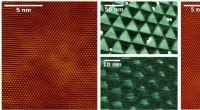
The researchers used a technique called atomic force microscopy (AFM) to study how E. coli O157:H7 binds to fresh vegetables. AFM is a high-resolution imaging technique that allows researchers to see objects at the nanoscale.
The researchers found that E. coli O157:H7 binds to fresh vegetables through a number of different mechanisms. One mechanism is through the use of fimbriae, which are hair-like structures on the surface of the bacteria. Fimbriae allow the bacteria to attach to surfaces, such as the surface of a vegetable.
Another mechanism is through the use of curli, which are amyloid fibers that are produced by the bacteria. Curli can also help the bacteria to attach to surfaces, and they can also form a biofilm that can protect the bacteria from environmental stresses.
The researchers believe that their findings could lead to new ways to prevent contamination of fresh vegetables with E. coli O157:H7. For example, it may be possible to develop new coatings for vegetables that prevent the bacteria from binding to their surface. It may also be possible to use AFM to quickly and accurately detect the presence of E. coli O157:H7 on fresh vegetables.
This research is a significant step forward in understanding how E. coli O157:H7 binds to fresh vegetables. This knowledge could lead to new ways to prevent contamination and improve food safety.