In order for the sperm's DNA to merge with the egg's DNA, the sperm must first undergo a process called unpacking. This process involves the removal of the sperm's outer membrane and the nuclear envelope, which surrounds the sperm's DNA.
The unpacking of the sperm's DNA is essential for fertilization to occur. If the sperm's DNA is not properly unpacked, it will not be able to reach the egg's nucleus and combine with the egg's DNA.
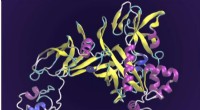
There are several proteins that are involved in the unpacking of the sperm's DNA. These proteins work together to dissolve the sperm's outer membrane and nuclear envelope, and to expose the sperm's DNA.
Once the sperm's DNA is exposed, it can then freely interact with the egg's DNA. This interaction is necessary for fertilization to occur and for the creation of a new individual with a unique genetic makeup.
In conclusion, the process of sperm unpacking is essential for fertilization to occur. This process involves the removal of the sperm's outer membrane and nuclear envelope, and the exposure of the sperm's DNA. Once the sperm's DNA is exposed, it can then freely interact with the egg's DNA and fertilization can occur.