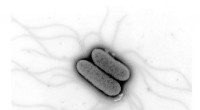
1. Host-Microbiota Interactions:
- Symbiosis and Mutualism: Many microbiota engage in symbiotic relationships with their hosts, providing essential functions such as nutrient metabolism, immune system modulation, and protection against pathogens. These interactions are mutually beneficial, allowing microbiota to thrive while contributing to host health.
2. Nutritional Provision:
- Nutrient Acquisition and Metabolism: Microbiota aid in the digestion and absorption of dietary components that the human body cannot break down on its own. They produce enzymes that facilitate the breakdown of complex carbohydrates, proteins, and lipids, unlocking essential nutrients for the host.
- Vitamin Synthesis: Certain microbiota produce vitamins, such as vitamin K and B vitamins, which are crucial for various bodily functions. By providing these essential nutrients, microbiota contribute to the host's overall health and well-being.
3. Immune System Modulation:
- Immune Tolerance: Microbiota play a vital role in educating and regulating the immune system. They interact with immune cells to promote immune tolerance, preventing excessive immune responses against harmless substances and helping maintain immune balance.
- Pathogen Recognition: Microbiota assist in recognizing and responding to harmful pathogens. They can produce antimicrobial substances, stimulate immune cell activity, and strengthen the host's defense mechanisms.
4. Colonization Resistance:
- Competition for Resources: Microbiota compete with potential pathogens for nutrients and space, preventing their colonization and establishment. This competitive advantage, known as colonization resistance, helps maintain a balanced microbial ecosystem and reduces the risk of infections.
5. Environmental Adaptation:
- Microhabitat Specialization: Microbiota thrive in specific microenvironments within the human body, such as the skin, oral cavity, gut, and urogenital tract. They possess adaptations that enable them to adhere to and colonize these diverse habitats, ensuring their survival and persistence.
6. Intermicrobial Communication:
- Quorum Sensing: Microbiota communicate with each other through chemical signals called quorum sensing. This allows them to coordinate their behavior, regulate population density, and respond collectively to changes in the environment. Intermicrobial communication influences the overall dynamics and functionality of the microbiota community.
7. Resilience and Adaptability:
- Dynamic Composition: Microbiota composition is dynamic and adaptable, influenced by factors such as diet, environment, and host genetics. This flexibility enables microbiota to respond to changes and maintain a stable equilibrium, promoting host health.
In conclusion, the ability of microbiota to thrive in their human hosts depends on intricate interactions and adaptations that contribute to their survival and functionality. Their roles in nutrient metabolism, immune system regulation, pathogen defense, and colonization resistance highlight their importance in maintaining human health. Understanding these symbiotic relationships provides valuable insights for interventions aimed at promoting microbial balance and preventing diseases associated with microbiota dysbiosis.