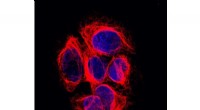
One prominent example of protein filaments is actin filaments. Actin is a globular protein that polymerizes to form long, thin filaments. These actin filaments are essential components of the cytoskeleton, a dynamic network of protein filaments and tubules that provides structural support to the cell and enables cellular processes such as cell division, cell migration, and intracellular transport. Actin filaments interact with various other proteins, including myosin motors, to generate the forces required for cellular movement and shape changes.
Another important group of protein filaments is microtubules. Microtubules are cylindrical structures formed by the polymerization of tubulin, a dimeric protein. They are key players in maintaining cell shape, organizing intracellular transport, and facilitating cell division. Microtubules interact with motor proteins, such as dynein and kinesin, to transport cellular cargo and organelles along their length.
In addition to actin filaments and microtubules, there are numerous other types of protein filaments that contribute to cellular function. Intermediate filaments, for instance, provide mechanical stability to cells and tissues. Keratin filaments, a type of intermediate filament, are found in hair, nails, and skin, contributing to their strength and flexibility.
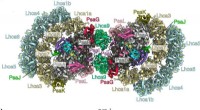
The remarkable strength and flexibility of protein filaments arise from their unique structural properties and interactions. Individual protein subunits within a filament are typically arranged in a repeating pattern, creating a highly organized and stable structure. Additionally, protein filaments interact with each other and with other cellular components through various binding domains and molecular interactions. These interactions allow protein filaments to form complex networks and assemblies, further enhancing their strength and functionality.
The strength and interactions of protein filaments are crucial for various cellular processes. For instance, the ability of actin filaments and microtubules to dynamically assemble and disassemble is essential for cellular movement and shape changes. Intermediate filaments provide structural support to cells and tissues, enabling them to withstand mechanical stress.
Furthermore, the interactions between protein filaments and other cellular components play a vital role in regulating cellular processes. For example, the interaction of actin filaments with myosin motors generates the force required for muscle contraction. Microtubules interact with motor proteins and various other proteins to facilitate intracellular transport and cell division.
In summary, protein filaments are remarkable structural components that contribute significantly to cellular architecture and function. Their strength and interactions enable them to perform diverse roles in cellular processes, ranging from providing structural support to facilitating movement and intracellular transport. Understanding the properties and interactions of protein filaments is crucial for unraveling the complexities of cellular biology and for developing therapeutic strategies targeting their dysfunction in various diseases.