By Kevin Lee
Updated Aug 30, 2022
Stocktrek Images/Stocktrek Images/Getty Images
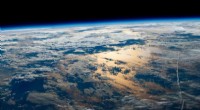
Even though it orbits 400 km above Earth, the International Space Station (ISS) is the third brightest object in the night sky. With a little guidance, you can spot it with the naked eye—no telescope required. NASA’s Spot the Station service gives you real‑time data so you always know where to look.
Navigate to the Spot the Station website and click the “Sighting Location Lookup” section.
Use the drop‑down menus to choose your country, state/region, and city. NASA catalogs over 6,700 locations that the ISS passes over. If your exact city isn’t listed, pick the nearest one.
Click “Next” to view a table of upcoming passes. The Date column shows the dates the ISS will be visible from your area. For each date, examine the Visible and Max Height columns:
The Appears column tells you the direction and elevation at the start of the pass. For example, “10 above NNE” means look 10° above the horizon toward the north‑northeast. If it says “24 above W,” aim 24° above the western horizon.
The Disappears column mirrors the Appears information but for the end of the pass. If the entry reads “13 above E,” you’ll see the ISS fade 13° above the eastern horizon.
Popular Locations – If your city appears in the U.S. Popular Locations list, click it for instant access to sighting times.
Remember, the horizon equals 0°, directly overhead is 90°. NASA recommends holding a fist at arm’s length on the horizon; the top of the fist approximates 10° elevation.
Visibility frequency varies: some places see the ISS several times a week, others only a handful of times a month. Passes can occur from a few hours before sunrise to a few hours after sunset.