* The Atmosphere is a Filter: Earth's atmosphere is a fantastic shield, protecting us from harmful radiation. However, it also absorbs and blocks many wavelengths of light. For example, most ultraviolet (UV) light is absorbed by the ozone layer.
* Some Wavelengths Pass Through: Visible light, radio waves, and some infrared radiation pass through our atmosphere with little interference. That's why we can see the sun, stars, and receive radio signals.
* Ground-Based Telescopes: Astronomers have developed clever ways to study certain wavelengths from the ground. Infrared telescopes are placed on high mountains, reducing the atmospheric interference. Radio telescopes are often built in remote locations to minimize radio noise from human activity.
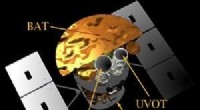
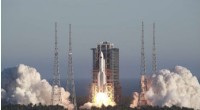
* Space-Based Telescopes: To observe wavelengths that are heavily absorbed by the atmosphere, like X-rays and gamma rays, we need to launch telescopes into space. These telescopes allow us to study the most energetic and distant objects in the universe.
So, why do we go to space to observe the electromagnetic spectrum?
* Unfiltered View: Space telescopes provide an unhindered view of the entire electromagnetic spectrum, allowing us to study cosmic objects without atmospheric distortion.
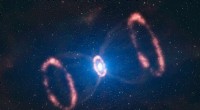
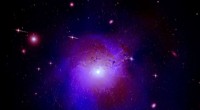
* Seeing the Invisible: Many phenomena in the universe emit light in wavelengths we can't see with our eyes, like X-rays from black holes or infrared light from star-forming regions.
* Expanding Our Understanding: Observing the universe in all wavelengths allows us to gain a more complete understanding of the processes and objects that exist beyond our planet.
In short, we go to space to see the invisible and explore the universe with the full spectrum of light, revealing hidden wonders and expanding our knowledge of the cosmos!