Here's a breakdown:
1. What are the particles?
The particles can be anything from molecules of air itself, to dust, pollen, water droplets (like in clouds or fog), or even smoke.
2. How does scattering work?
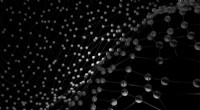
* Interaction: When a light wave encounters a particle, the electric and magnetic fields of the light wave interact with the electrons in the particle.
* Re-emission: This interaction causes the electrons to oscillate, and they re-emit light waves in different directions.
* Scattering: The re-emitted light is scattered, meaning it is sent out in multiple directions.
3. What happens to the light?
* Color: The color of the scattered light depends on the size of the particle. Smaller particles (like air molecules) scatter blue light more effectively, which is why the sky appears blue. Larger particles scatter more wavelengths, which is why clouds appear white.
* Intensity: The amount of scattering also depends on the size and concentration of the particles. More particles mean more scattering, making the sky appear brighter.
* Direction: The light can be scattered in all directions, but the scattering pattern depends on the size and shape of the particle.
Examples of scattering in everyday life:
* Blue sky: Air molecules scatter blue light more effectively than other colors.
* Red sunset: As sunlight travels through more air at sunset, blue light is scattered away, leaving the red and orange wavelengths to reach our eyes.
* White clouds: Water droplets in clouds scatter all colors of light equally, making them appear white.
* Haziness: Dust and other small particles in the air scatter light, making the atmosphere appear hazy.
In short, scattering is the process by which light waves are redirected in multiple directions when they encounter small particles, creating various visual phenomena we see in our everyday lives.