The Phases of the Moon:
* Lunar Cycle: The moon takes about 29.5 days to complete a full cycle of phases.
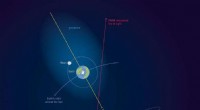
* Illumination: The moon doesn't produce its own light; we see it because sunlight reflects off its surface. The amount of sunlight reflecting depends on the moon's position relative to the sun and Earth.
* Phases:
* New Moon: We can't see the moon because it's between the sun and Earth.
* Waxing Crescent: A small sliver of the moon becomes visible.
* First Quarter: Half the moon appears illuminated.
* Waxing Gibbous: More than half the moon is illuminated.
* Full Moon: The entire moon is illuminated.
* Waning Gibbous: The illuminated portion of the moon begins to decrease.
* Last Quarter: Half the moon appears illuminated again.
* Waning Crescent: A small sliver of the moon remains visible.
Observing the Moon:
* Observational Studies: Scientists and astronomers observe the moon's phases through telescopes and satellites. They measure the angle of illumination and track the moon's position in its orbit. This helps confirm the lunar cycle and its influence on the moon's appearance.
* Lunar Eclipses: A lunar eclipse occurs when the Earth is between the sun and the moon. This casts Earth's shadow on the moon, causing it to appear dark or reddish. Studying lunar eclipses provides information about Earth's atmosphere and the moon's surface.
Why Experiments Don't Work:
* Scale: You can't create a scaled-down version of the Earth-moon-sun system in a laboratory to recreate the moon's phases.
* Time: Observing the moon's changes requires observing it over a month-long cycle, which is not practical in a controlled experiment setting.
Instead of Experiments, Focus on Observation:
1. Track the Moon: Keep a log of the moon's appearance each night for a month. Draw or photograph it.
2. Learn about the Phases: Use online resources or astronomy books to understand how the phases relate to the moon's position in its orbit.
3. Discuss with Experts: Share your observations with astronomy clubs or ask questions to educators or scientists.
By observing and learning, you can understand why the moon looks different every night without conducting formal experiments.