* Planets: They orbit stars and receive light from them. They reflect a portion of this light back into space.
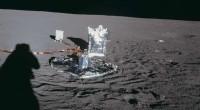
* Satellites: They orbit planets, and receive light from the star that the planet orbits. They also reflect this light.
Here's a breakdown of why planets and satellites reflect light:
* Composition: The surfaces of planets and satellites are made of different materials, such as rock, ice, gas, and dust. These materials have varying abilities to reflect light.
* Angle of light: How much light is reflected depends on the angle at which sunlight hits the surface and the angle from which we observe it. This is why planets and satellites can appear brighter or dimmer depending on their position in orbit.
* Atmosphere: Some planets have atmospheres that can scatter or absorb light, affecting their brightness.
In summary: Planets and satellites don't generate their own light, but rather reflect the light from a star. The brightness we see depends on the material, surface, angle of light, and atmosphere of the celestial body.